Download PDF
Architect’s rendering of a completed regional center hospital project
EB-5 Healthcare Fund II Mezz, LLC EB-5 Healthcare Fund II Mezz, LLC
EB-5 information center

How the EB-5 Immigrant Investor Program Works

A plain account of the program: what it costs, what has to be true, how long each stage takes, and how to tell a sound sponsor from an unsound one. Written for people deciding whether EB-5 is right for them at all, which for most readers it is not.

Download the PDF

Updated September 15, 2026 Reference, not advice Cover: architect’s rendering
One

What the program is

EB-5 is a United States permanent residence category for people who invest in a business that creates American jobs. Congress created it in 1990 and rewrote it in the Reform and Integrity Act of 2022, which is the version now in force.

The bargain is narrow and worth stating plainly: you place capital at risk in a qualifying enterprise, that enterprise creates at least 10 permanent full-time jobs attributable to your investment, and in exchange you and your immediate family become eligible for permanent residence. No employer sponsors you. No job offer is required. Your spouse and unmarried children under 21 are included on the same petition.

Most investors use a regional center, a body designated by USCIS to pool capital into larger projects. The advantage is the job count: a regional center may count indirect and induced jobs produced by an economic model, where a direct investment counts only the people actually on its payroll. The trade is control. You are a limited partner in someone else's project.

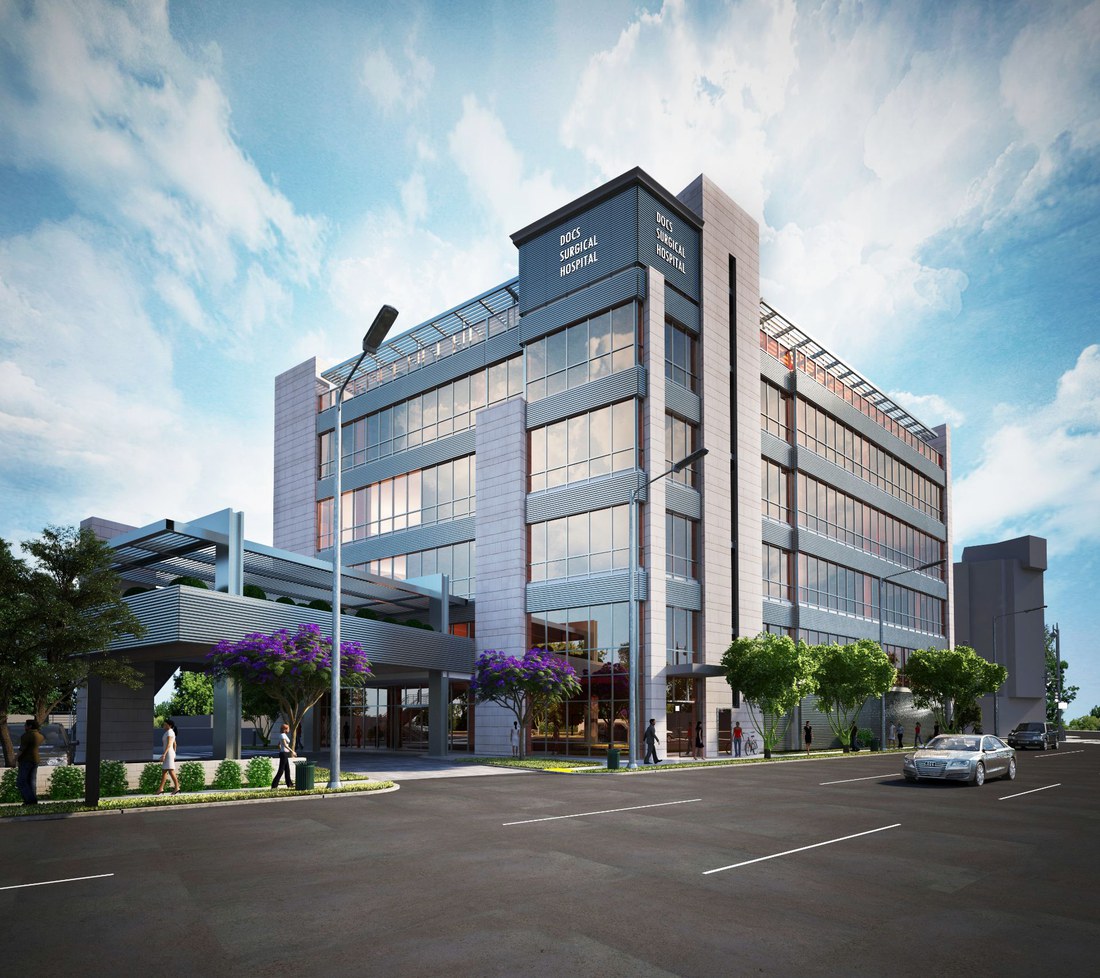
Architect's rendering of a completed surgical hospital
Architect's rendering. The completed scheme.
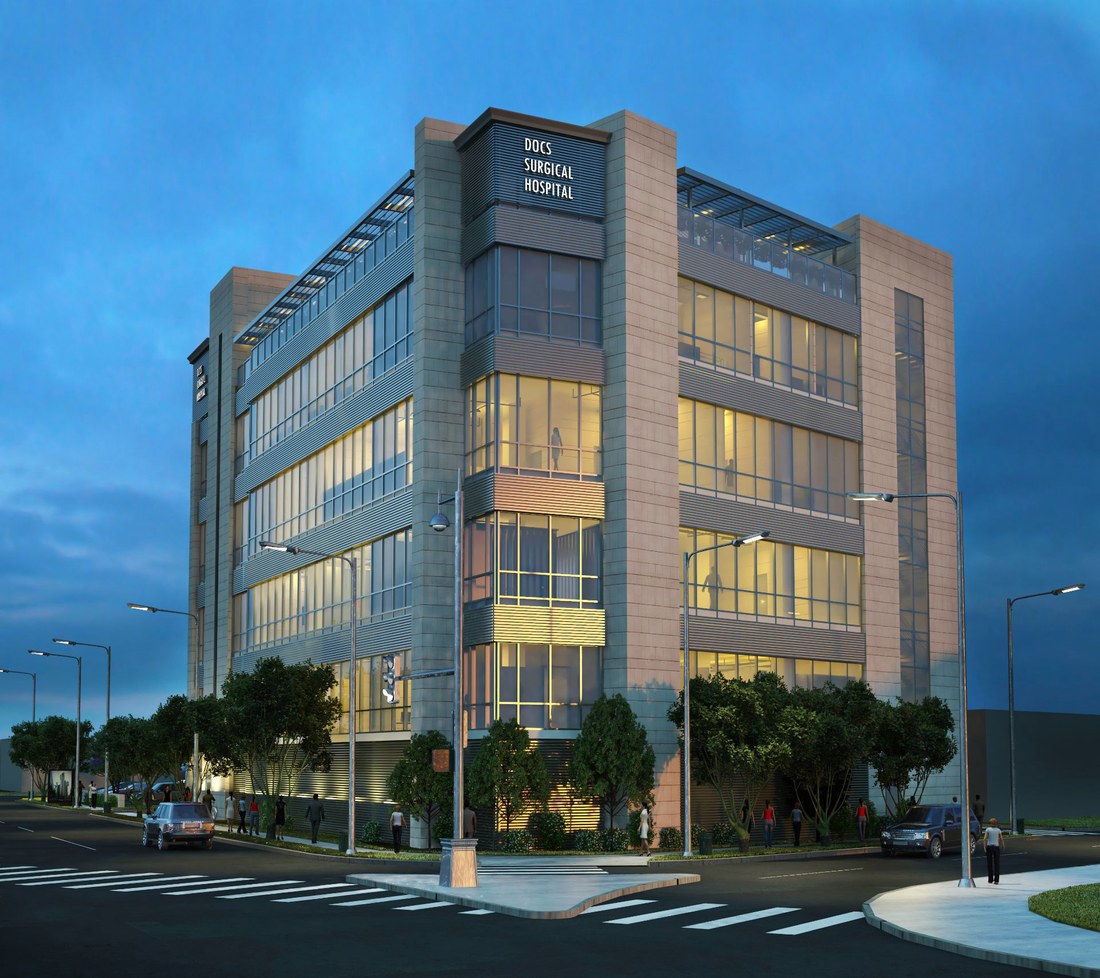
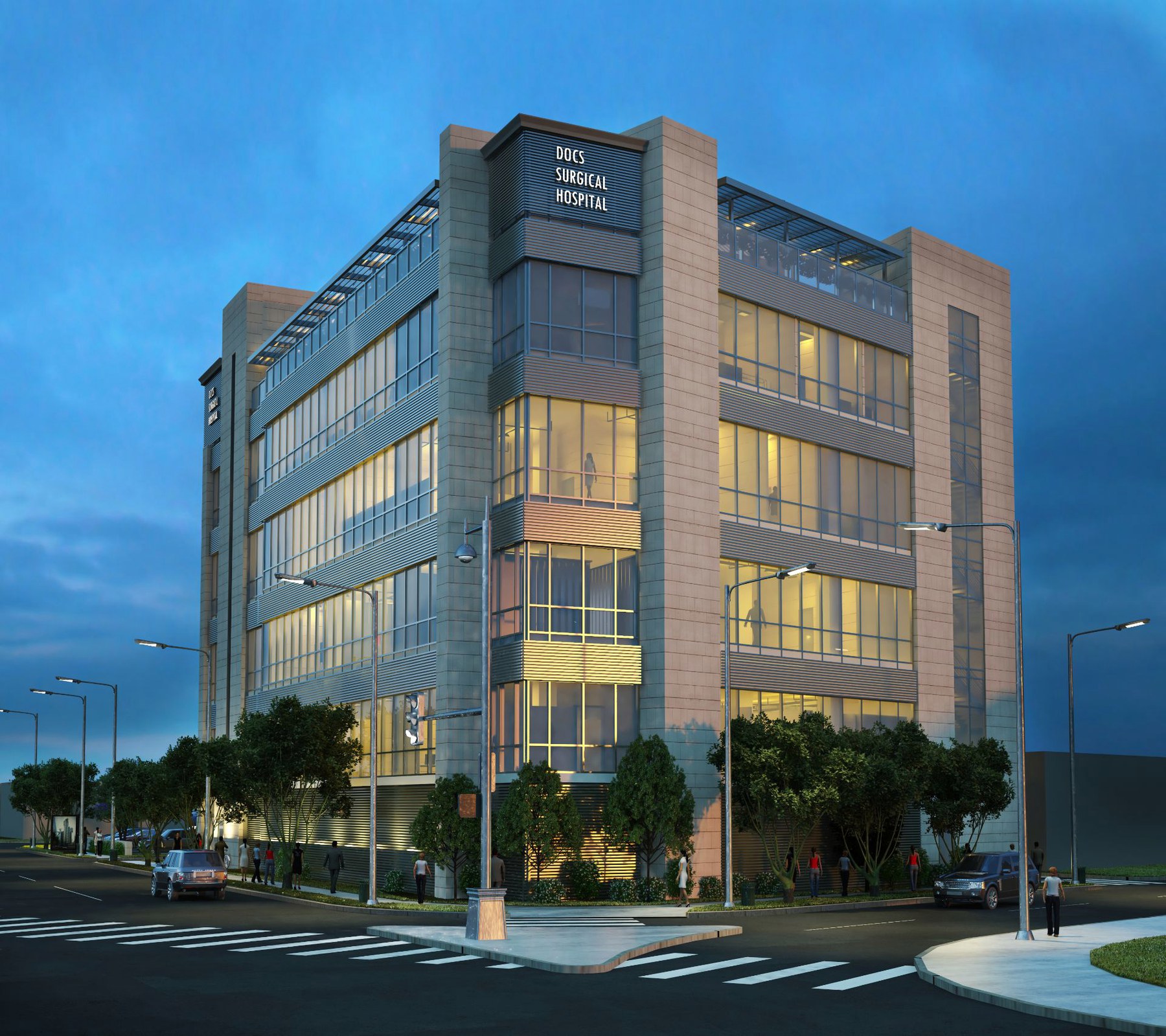
Architect's rendering, evening view
Architect's rendering. Not a photograph, and not the current state of any building.

What EB-5 is not. It is not a purchase of residence, it is not a loan with an immigration coupon attached, and it is not fast. Capital must remain genuinely at risk, which means it can be lost. Any arrangement that protects your capital removes the basis for the petition.

Two

What it costs

Targeted Employment Area
$800K
A rural area, a high-unemployment area, or a qualifying infrastructure project
Standard minimum
$1.05M
Everywhere else
Jobs required
10
Permanent, full-time, sustained 2 years

Those are the statutory minimums and they are not the whole cost. Budget separately for a regional center administrative fee, your own immigration counsel, USCIS filing fees for each form and each family member, and the work of assembling source-of-funds evidence. On a complex trail that last item is the largest line after the investment itself.

What a Targeted Employment Area means

Rural. Outside any Metropolitan Statistical Area and outside the boundary of any city or town with a population of 20,000 or more.

High unemployment. Unemployment at or above 150% of the national average rate.

The designation matters twice: it sets the minimum investment, and it determines which reserved visa category the petition files into.

Thresholds are inflation-adjusted by statute and the next adjustment falls due in 2027. Anyone quoting you a figure without a date attached is quoting from memory.

Three

The process, stage by stage

Two routes exist, and which one applies depends on where you are standing.

If you are already lawfully in the United States

You file the I-526E petition. If a visa number is available in your category, you may file the adjustment package at the same time: I-485 to adjust status, with I-765 for work authorization and I-131 for advance parole alongside it. This is concurrent filing, and it is the single most consequential thing the 2022 Act changed.

Work authorization and travel come from that adjustment package, not from the petition. They can therefore arrive well before any decision on the I-526E itself. For someone in an employment-based backlog, that is usually the point of the exercise.

If you are outside the United States

The petition is adjudicated first, then the case goes to the National Visa Center and to consular processing on form DS-260. There is no concurrent filing route from abroad, so the sequence is longer and the early work authorization does not arise.

Both routes end the same way

Approval grants conditional permanent residence for 2 years. Near the end of it you file I-829 to remove the conditions, which is where the job creation actually has to exist. I-829 is the stage that fails, and it fails on jobs.

FormWhat it does
I-526EEstablishes the investment and the job creation plan.
I-485Adjustment of status, for an applicant already lawfully in the United States.
I-765Work authorization, filed with the adjustment package.
I-131Advance parole, filed with the adjustment package.
DS-260Consular processing, for an applicant outside the United States.
I-829Filed near the end of the two-year conditional period, once the jobs exist.

Nobody can tell you how long any of this takes. USCIS controls every timeline, processing times move, and a request for evidence adds months. Treat any promised date as information about the person promising it.

Four

Reserved visas and the backlog

The 2022 Act reserved a share of the annual EB-5 allocation for particular project types. These are separate annual allocations, not express lanes through the same queue, which is why a backlogged applicant looks at them at all.

Rural
20%
of the annual EB-5 allocation
High-unemployment area
10%
of the annual EB-5 allocation
Infrastructure
2%
of the annual EB-5 allocation

Everything above the set-asides flows to the unreserved category. Whether any category is current for your country of birth is published monthly by the Department of State in the Visa Bulletin, and you can check it yourself in about two minutes. The relevant fact is your country of birth, not your citizenship or where you now live.

The bulletin moves, sometimes backwards. A category current today may not be current when your petition is adjudicated, and no sponsor can promise otherwise.

A project in a high-unemployment area files into the reserved category shown above. The designation is a matter of published data about the census tract, not an opinion.

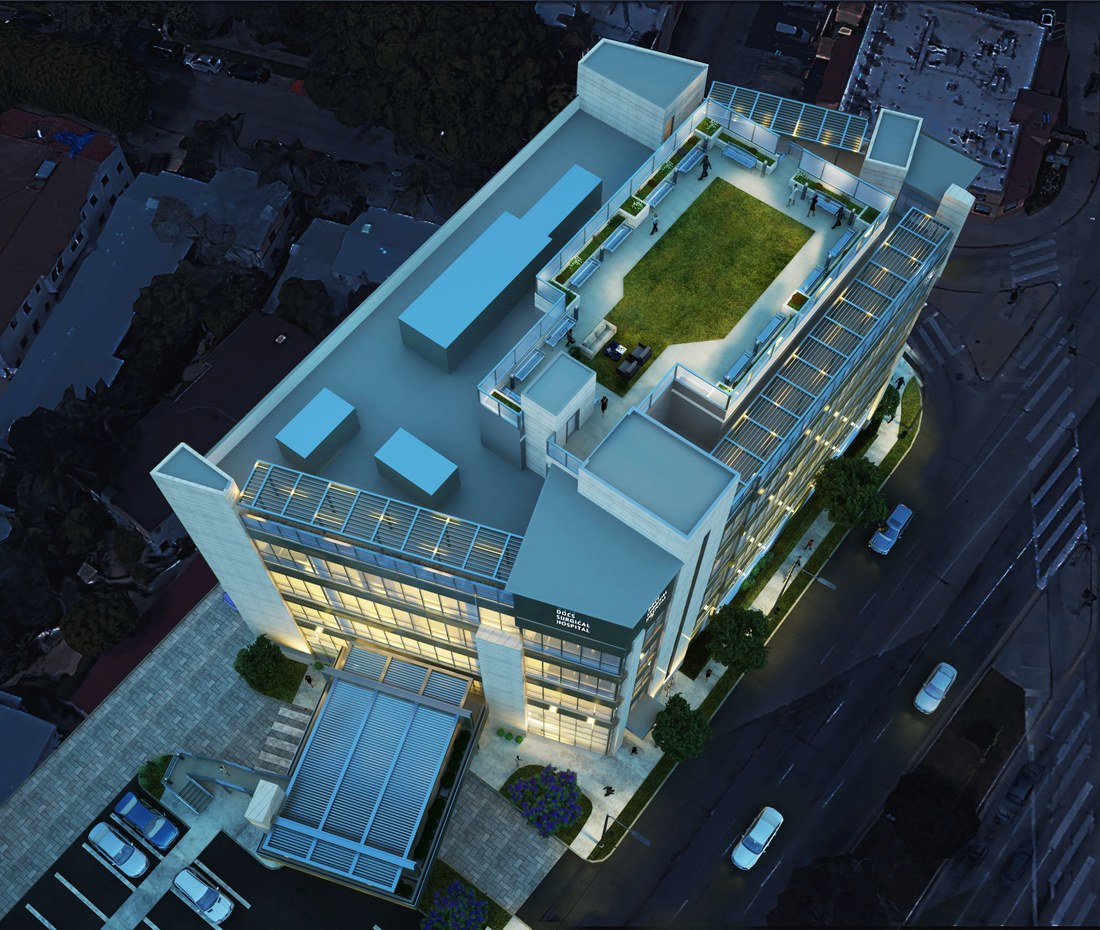
Architect's rendering, aerial view
Architect's rendering. What is intended.
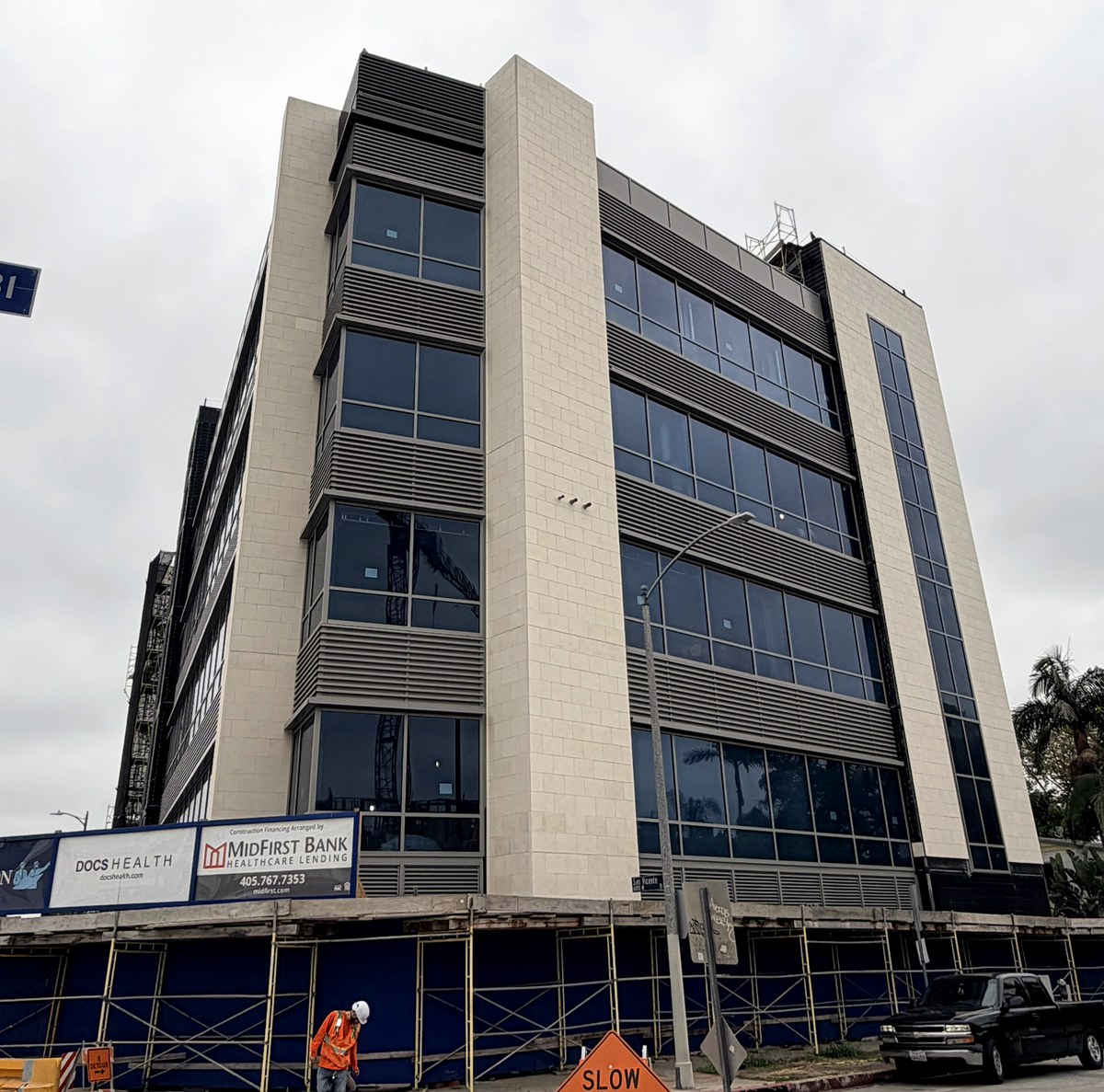
The same project under construction
Photograph, on site. What exists. Ask any sponsor for both; a rendering alone tells you nothing about progress.
Five

The September 30, 2026 deadline

There is a real statutory date in front of the program, and most of what is written about it is either vague or overstated. The precise version:

A qualifying petition received by USCIS on or before September 30, 2026 is grandfathered. If Congress later allows the Regional Center Program to lapse, USCIS and the Department of State must continue to process that petition under current law.

It is not an approval. It does not reserve or guarantee a visa number. It does not bind a Congress that legislates on EB-5 directly. And the test is the date USCIS receives the petition, not the date it is posted, which is a distinction that will cost somebody their filing.

The Regional Center Program is separately authorized through September 30, 2027, a full year later. Conflating the two dates is the most common error in the market right now. Filing after the deadline is not impossible; it means the case rests on Congress reauthorizing rather than on a protection already enacted.

Six

How to assess a sponsor

This is the part of the decision nobody hands you, so here it is. None of these questions are about us and you should put every one of them to us as well.

  1. How many of your investors have reached each milestone, and out of how many? A single fast approval quoted without its denominator is a marketing number. Ask for the count and the median.
  2. If you never raise another dollar, does my job count still happen? This separates funds where job creation depends on unsold subscriptions from funds where it does not. The answer is hard to dress up.
  3. What share of the projected jobs are direct? An economic report weighted heavily toward indirect and induced effects is doing arithmetic rather than hiring.
  4. Who loses money before I do, and how much of it is yours? Sponsor capital sitting beneath the EB-5 tranche is the answer you are looking for.
  5. Can I see the deployment evidence? Capital raised is not capital deployed. Ask for proof it reached the job-creating entity.
  6. Can I visit? Then note what happens when you ask.

Ask for the document set before you commit: the I-956F and its approval, the TEA designation and its basis, the economic report and job methodology, the operating agreement, the loan documents, the deployment evidence, the escrow agreement and its release conditions, and the private placement memorandum including the risk factors. A sponsor who will not send those before you subscribe is telling you how the relationship will feel afterwards.

Seven

Risk, stated properly

EB-5 capital must remain at risk for at least 2 years from the point it is made available to the job-creating activity. That is not a fund policy; it is the condition on which the petition rests. Capital that is guaranteed, secured against loss, or subject to a redemption right is not at risk, and an arrangement structured that way can put the petition itself in question.

What can go wrong, in roughly descending order of how often it does: the source-of-funds trail cannot be documented to USCIS's standard; the project fails to create the jobs; the project is delayed and the capital is tied up far longer than modeled; the visa category retrogresses; the regional center is terminated; the investment loses money outright. These are not remote hypotheticals and any sponsor who treats them as such is the wrong sponsor.

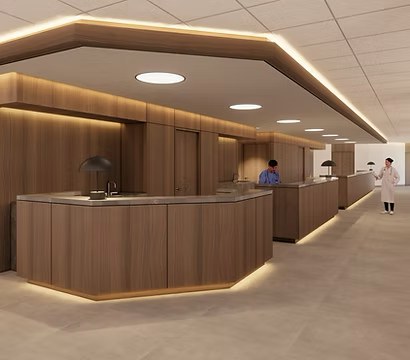
Architect's rendering of a patient waiting area
Architect's rendering. A patient waiting area.
Architect's rendering of a clinical corridor
Architect's rendering. Interiors are where the permanent staffing sits, and therefore where the job creation an I-829 turns on is generated.

If you would need this capital back on a defined date, EB-5 is the wrong program for you. The two things cannot be reconciled, and no structure resolves it.

Eight

Questions we are asked most

What happens if the fund does not raise the rest of it?

The project is under construction and funded by committed equity, a bridge loan and a senior loan. 720 jobs were created as of February 2026 against 350 required. Job creation is not contingent on the remaining EB-5 subscriptions.

How long will my petition take?

The offering publishes 12–18 months for I-526E. Our first adjudicated petition came back in 7 months. That is one petition of one adjudicated to date, and it is not a forecast. 14 remain pending. USCIS controls the timeline; we do not.

When can I work and travel?

Concurrent filing lets an applicant in valid status file I-485 with I-765 and I-131. 7 investors in this fund have received combo cards, at a median of 7.7 months from I-526E filing. The published range is 4–5 months and most of our cases ran longer than that.

Is my money safe?

No. EB-5 capital must remain at risk by law. Capital that is protected does not qualify. What can be said is where it sits: $39.91M of sponsor cash equity is beneath the EB-5 tranche and absorbs losses before you do. The project is independently appraised and projected to cover its debt service. The appraisal and the pro forma behind that are in the data room, released on verification, and the risk factors are in the PPM.

What are the total costs?

$800,000 subscription plus an administrative fee of $5,000 as stated in the offering. Immigration legal fees and USCIS filing fees are paid separately by the investor to their own counsel.

Why should I believe your numbers?

Every figure we publish is computed from the investor register and the offering documents, and where our own marketing has disagreed with the record we have corrected the marketing. Ask us for the reconciliation; most sponsors cannot produce one.

Do I have to move to Los Angeles?

No. The investment is in a Los Angeles project; residence after conditional permanent residence is generally unrestricted, subject to the usual continuous-residence rules. Confirm with your own immigration counsel.

What is the exit?

The EB-5 loan matures 2029, 4 years from 2025. Projected repayment is from refinance proceeds against the appraised stabilized value. Repayment cannot occur before the sustainment period ends without jeopardizing petitions.

Nine

What to do next

  1. Retain immigration counsel. Before anything else, and before speaking to any sponsor seriously. Your status, priority date, dependants' ages and source of funds determine whether EB-5 makes sense at all, and no sponsor can assess that for you.
  2. Check your category in the Visa Bulletin. Employment-based table, reserved categories, your country of birth. Two minutes, and it changes what your options actually are.
  3. Start the source-of-funds work early. It is the longest pole and it does not compress.
  4. Complete accredited-investor verification. A 506(c) offering requires third-party verification rather than a self-declaration, and it happens before offering documents are released.
  5. Read the risk factors. Have your own adviser read them too.